


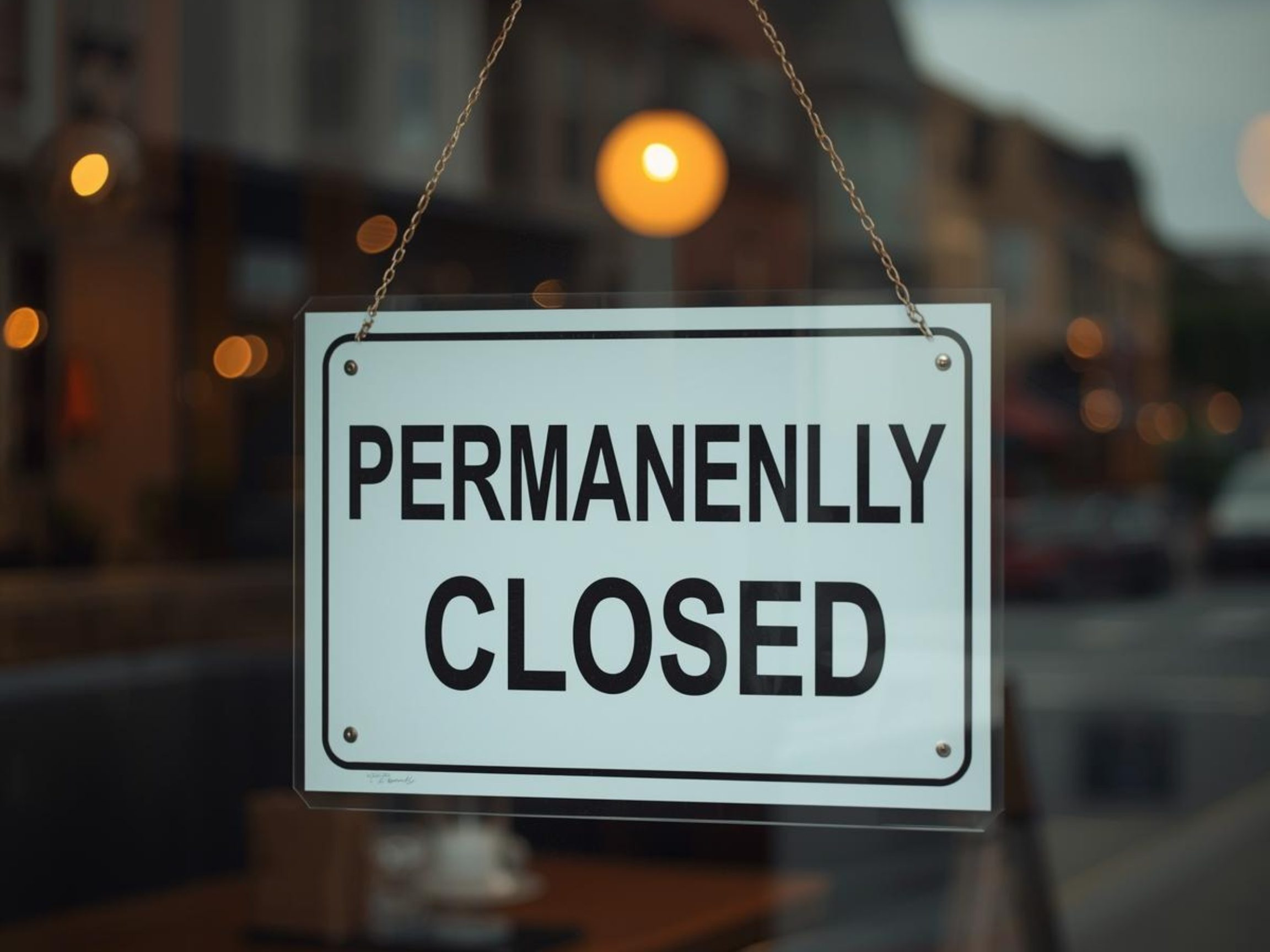
Dallas has always had a short memory for empty storefronts. A plywood window barely dries before a new logo is taped inside from the other side. This year that rhythm feels faster. Lease signs flip overnight. Menus get rewritten on butcher paper. Contractors work late behind tinted glass while Instagram quietly updates its bio lines.
We are watching a reset happen in real time. Pandemic survivors are evolving. Corporate chains are trimming footprints. Independent operators are sliding into addresses locals still call by their old names. The map keeps changing but the appetite does not.
For diners this moment is unusually good. Rents have softened in pockets. Chefs who used to cook for someone else are signing their first leases. Operators are designing rooms for cameras as much as conversation. The result is a wave of openings that feel more intentional than flashy. Less velvet rope. More laminated tasting cards and good lighting at the bar.
If you track the permits or walk neighborhoods long enough you start to recognize the pattern. Closed does not mean gone. It means in progress.
Where closed dining rooms turn into quiet launches
Most of the action is happening in places that still smell like the last tenant. Former ramen shops becoming wine bars. Shuttered burger joints turning into Mediterranean counters. Strip mall sushi rooms reborn as bakeries with sourdough schedules taped to the door.
These spaces already have grease traps, parking and muscle memory. Operators move fast because the bones are usable and the neighborhood already knows how to find the door.
What keeps repeating across Dallas Fort Worth
• Coffee bars replacing fast casual chains • Regional Asian concepts taking over failed franchises • Wine focused bistros moving into former date night steakhouses • Dessert labs opening where casual dining stalled
The addresses change hands but the behavior stays familiar. Locals circle back out of curiosity. They want to see what survived behind the walls.
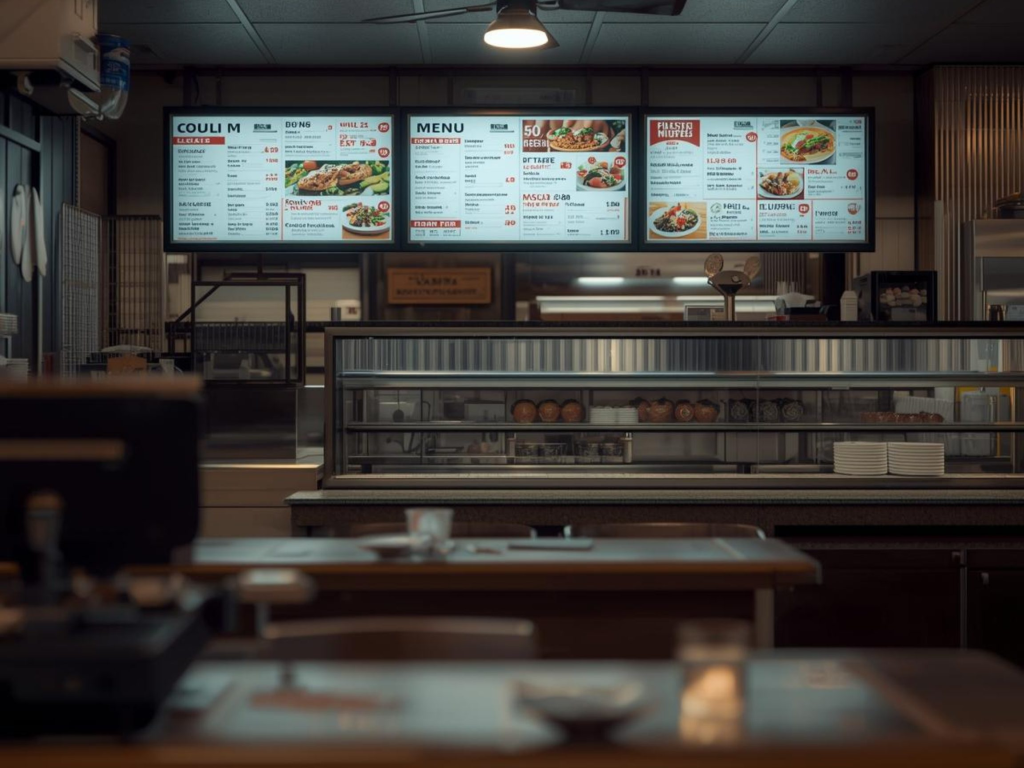
New restaurants replacing closed restaurants in DFW
This phrase is quietly driving search traffic and it tells you exactly what diners want to know. Not just what is new. What took over something they already remember.
Recent replacements lean practical before dramatic. Short menus. Tight footprints. Clear identity. Many start as soft launches that look accidental from the outside. Paper signage. Limited hours. Friends and family packed into corner tables testing recipes while construction dust still settles.
You will notice the pricing has shifted too.
Casual counters aim for $12 bowls and $6 pastries that move volume. Mid range rooms hover near $24 entrées that feel safe for weeknights. The chef driven spots go higher but offer tasting menus instead of big dining rooms.
The service style follows the same logic. Counter service where speed matters. Hybrid models where one person runs food and rings drinks. Full service only when the experience depends on pacing.
It is not glamorous. It is disciplined.
The new look of the Dallas opening night
Forget red ribbons. The modern debut is a dim story post and a packed room of industry people who know the host by name.
Most of these operators skip formal launches. They open quietly and let word of mouth do the sorting. Lighting is warm. Music stays low. Menus are printed twice in one month because prices keep adjusting.
Common traits we keep seeing
• Short opening hours at first • One or two signature dishes pushed hard • Natural wine or house lemonade on draft • Staff in training mode for weeks
The one real rule most of them share is restraint. Seating is capped early. Reservations are limited. Walk ins wait longer than expected. Not for hype but for control.
The constraint
Several of these new spots limit their dining room during the first months to protect service consistency and staff training quality. It slows revenue but builds trust. You feel it in how smoothly plates land and how calm the room stays even when the door keeps opening.
Why this cycle favors diners
Closures scare neighborhoods. Replacements reward them.
Landlords get realistic. Chefs get leverage. Diners get options that would not have existed in a hotter market. You see more personal cooking. Smaller teams. Menus built around what the kitchen can actually execute not what looks impressive online.
It is also why the flavors feel sharper lately. Less committee. More instinct. One owner cooking food they grew up with. Another reviving a dish they were never allowed to sell at their last job.
The room might be familiar but the energy is not. It is quieter. Hungrier. More deliberate.
Conclusion
DFW does not mourn restaurants for long. It recycles them. A closed sign is just a pause in the conversation between the city and whoever cooks next.
If you pay attention you start spotting the clues. Papered windows. New permits taped crookedly to the glass. A chalkboard leaning inside a dark dining room that used to host birthday dinners.
The best meals this year will come from addresses you think you already know. Different hands. Different recipes. Same parking lot.
That is the real thrill. Not the opening announcement. The moment you realize the room has learned a new language and you are early enough to hear it clearly.
Subscribe for access to exclusive editorial content
