


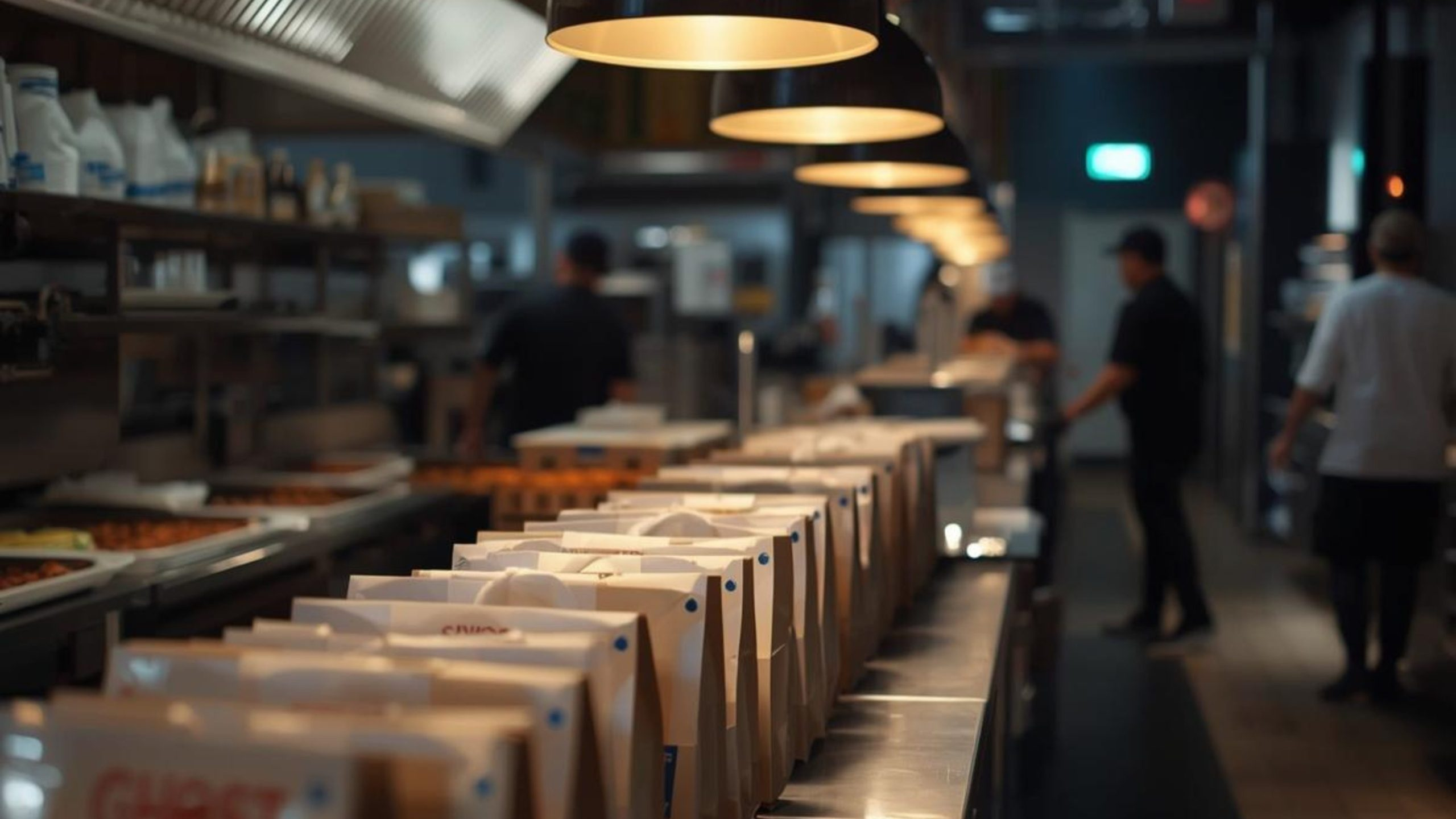
Dallas Fort Worth has always eaten well. Big dining rooms, bold openings, long waits. That rhythm is changing. Over the past five years ghost kitchens have multiplied across Dallas and Fort Worth with industry estimates placing the number between two hundred and three hundred active concepts across the metroplex.
We feel it most at night. Orders arrive fast. Menus look unfamiliar. Brands appear that never existed on the street. Ghost kitchens are not pop ups and not trends chasing attention. They are infrastructure responding to how we actually eat now.
Rising rent, delivery culture and late night demand pushed restaurants to rethink space. A single kitchen can now serve five brands with different cuisines and price points. You might be ordering wings from a place that also cooks tacos and dumplings under different names. That separation is the point.
This matters because Dallas diners are adventurous but practical. We want options and we want them now. Ghost kitchens meet us exactly there without the overhead of polished dining rooms or prime storefronts.
The Brands You’ve Already Ordered From
Ghost kitchens feel invisible but the names are familiar.
Rebel Wings runs out of commercial kitchens across Irving and Dallas serving Mexican inspired wings that have nothing to do with the food coming out of the neighboring stoves. Birria Wings and Esquites travel better than most bar food and that is intentional.
Mr Beast Burger exists only through ghost kitchens partnered with local restaurants in Addison Arlington and beyond. Smash burgers and loaded fries come from kitchens that never show the brand on the door.
Wow Bao operates from shared kitchens downtown bringing steamed bao and dumplings to delivery apps without building traditional storefronts. The menu stays tight and focused on items that hold heat and texture.
It’s Just Wings lives inside Chili’s kitchens after hours. Same building different concept. The wing flavors and bundles target a completely different customer than the daytime grill crowd.
These kitchens share one thing. You rarely know where they are until you look it up.
How Ghost Kitchens Change Restaurant Operations
For operators ghost kitchens are operational chess.
A single kitchen can host multiple concepts with different menus and price tiers. Labor stays centralized. Equipment works overtime. Data from delivery apps shapes menus in real time.
Many Dallas kitchens flip identities by time of day. Lunch belongs to the brick and mortar brand. Night belongs to the ghost concept. This allows restaurants to stay open later without staffing a dining room or servers.
Menus stay short by design. Fewer ingredients. Faster prep. More consistency. That limitation acts as quality control not compromise.
From a staffing standpoint cooks focus on execution not presentation. No plate styling. No dining room resets. Food goes straight into packaging designed to survive traffic on Central Expressway.
This model lets restaurants test new cuisines without risking a full build out. If a concept works it scales. If it doesn’t it disappears quietly.
What We Gain As Diners
Choice without commitment.
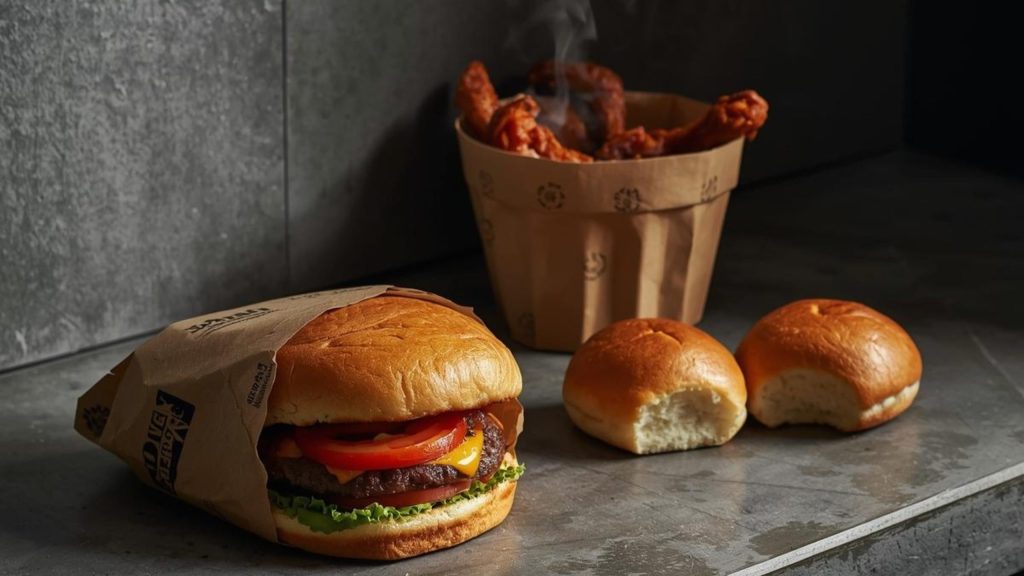
Ghost kitchens let Dallas eat across cuisines in a single night. Wings from one brand. Bao from another. Burgers for the table. All from kitchens you may never visit.
Late night access improves. Many ghost kitchens operate well past midnight serving neighborhoods where dining options used to shut down early.
Pricing stays competitive because overhead stays low. You see it in bundle deals and generous portions.
There is also a sense of discovery. Ordering from a name you have never seen before feels like a secret even when thousands are doing the same thing.
The tradeoff is obvious and acceptable. No dining room experience, no servers, no ambiance. The food carries the entire interaction and that pressure sharpens execution.
Where This Is Headed Next
Dallas Fort Worth is built for this model. Sprawl creates delivery demand. Young diners chase variety. Operators look for flexibility.
Expect more cuisine crossover. More chef driven virtual brands testing ideas without fanfare. More kitchens designed specifically for delivery efficiency rather than guest flow.
Some ghost brands will graduate into physical locations once demand proves real. Others will stay virtual forever because the margins work better that way.
We are watching a parallel dining economy grow alongside the traditional one. It doesn’t replace restaurants. It fills the gaps between them.
If you know you know. And if you’ve ordered something incredible at midnight and wondered where it came from you already understand the appeal.
Subscribe for access to exclusive IYKYK content!
