


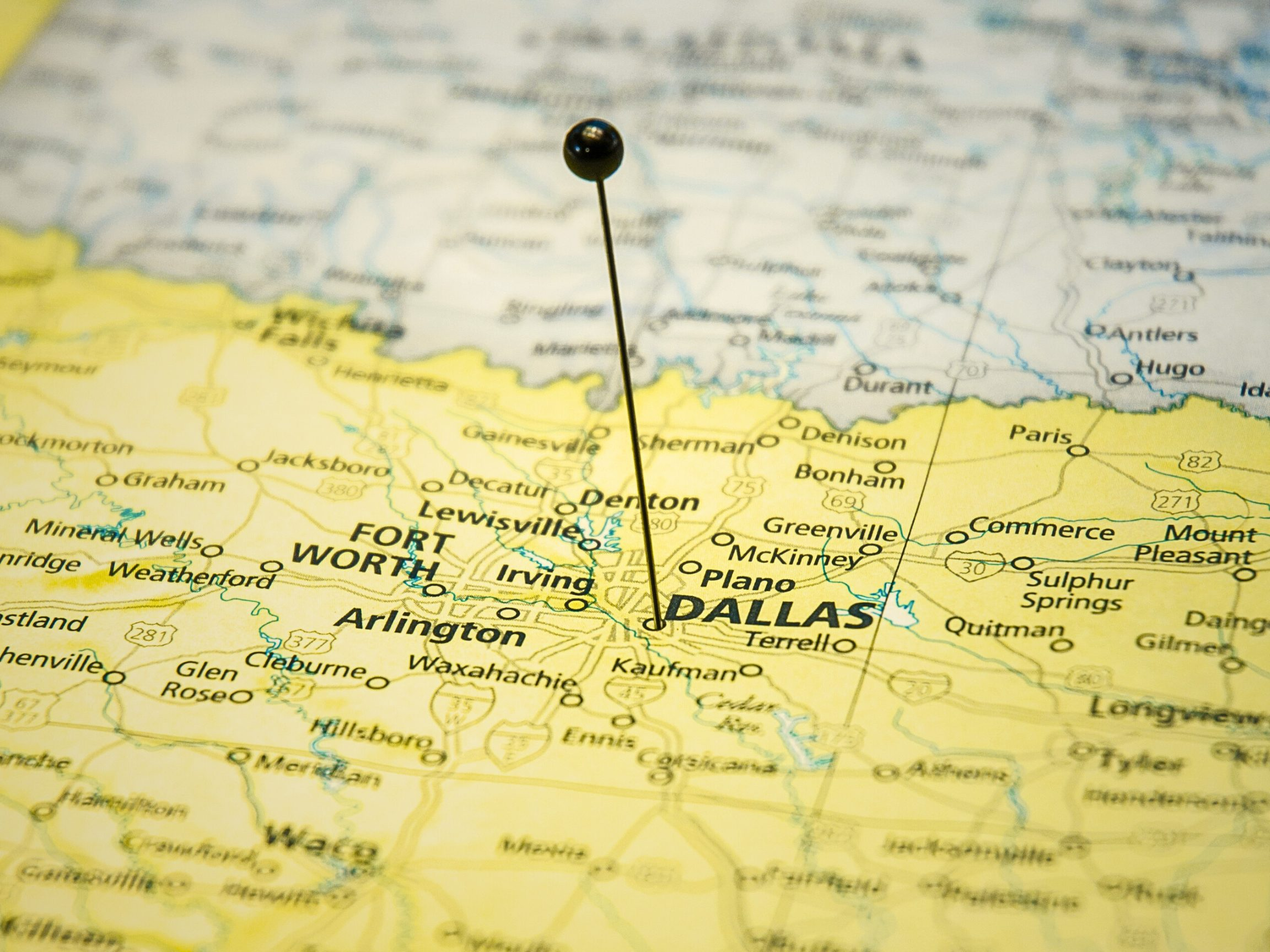
A quiet shift is rewriting where Dallas actually eats.
The conversation used to orbit Uptown leases and Bishop Arts buzz. Now it keeps landing thirty miles north. Restaurants moving to Frisco and Plano are no longer a side story or a backup plan. They are becoming the main chapter.
You can feel it in the parking lots that fill before sunset and in dining rooms built wider than most Dallas footprints. Operators who once chased skyline zip codes are choosing freeway exits instead. The reasons are practical but the effect is cultural. North Dallas suburbs are collecting serious kitchens, disciplined teams and menus that used to require valet tickets.
This matters now because the dining map is being redrawn in real time. Not loudly. Not with one viral opening. But with a steady migration that changes how talent circulates and how neighborhoods eat on a Tuesday night. The energy is calmer than downtown but the ambition is not smaller. It is just wearing sneakers instead of heels.
Why this shift sticks in Frisco and Plano
Rent shapes menus even when no one admits it. In Frisco and Plano, square footage costs less and builds go bigger. That space turns into longer bars, private rooms and kitchens that can actually breathe during rush.
Lower overhead changes pricing without cheapening the food. Operators can keep ribeye on the menu without treating it like a luxury item. You see it in approachable wine lists and desserts that do not feel rationed.
It also changes how restaurants design service.
- Wider tables
- Faster parking
- Shorter waits
- Kitchens built for volume not chaos
When margins stop suffocating, creativity lasts longer than one season.
The food mix is broader than the hype
This is not one cuisine claiming new territory. It is everyone.
Modern taquerias set up next to Korean barbecue. Mediterranean grills open beside hand rolled pasta rooms. Dessert bars follow quietly and then suddenly there are three.
The differentiation comes less from trend chasing and more from operational confidence. Chefs open their second or third concepts here because they can afford proper fermentation rooms and dry storage instead of squeezing everything into rented closets.
Menus stretch wider. Spice levels climb higher. Portions stop apologizing.
And customers show up ready to try something unfamiliar because parking is easy and dinner does not feel like a logistical negotiation.
Population growth is rewriting dining habits
New rooftops equal new routines. Families who moved north for schools or corporate offices still want the kind of food they learned to love in Dallas proper.
Weeknights are no longer slow. Lunch crowds form around office parks. Brunch is packed with strollers and sunglasses before noon.
Service style adjusts to this rhythm. Full service dominates because people linger. Fast casual survives near shopping centers. Food halls cluster around entertainment districts.
Behind the scenes, many owners quietly choose one quality control rule that reshapes everything. Several cap late night hours even when demand exists. The payoff is lower burnout and tighter kitchens. Guests notice the consistency even if they never hear the reason.
U.S. Census population growth – Frisco & Plano
https://www.census.gov/quickfacts/
Community ties run deeper than branding
Frisco and Plano kitchens lean local by necessity and by convenience. Regional beef programs cut delivery times. Plano based bakeries handle daily bread. Produce arrives early from North Texas distributors who know every back door on the block.
Staff turnover slows when commute times drop. That stability shows up in how servers talk about the menu and how cooks plate the same dish every night without shortcuts.
Ownership here feels less anonymous. Many dining rooms are run by chefs who live within ten minutes of their restaurant. That proximity changes priorities. Mistakes get fixed faster. Reputation travels street by street not just through feeds.
Conclusion
The story is not that Dallas lost its edge. It is that the edge expanded.
Restaurants moving to Frisco and Plano are not running from the city. They are following the people who reshaped it. The food is serious. The rooms are calmer. The ambition is quieter but wider.
If you measure a dining scene by how well it feeds real life instead of nightlife, this shift makes perfect sense. The future of North Texas dining is unfolding between grocery runs and school pickups. It just happens to come plated.
Subscribe for access to exclusive editorial content

