


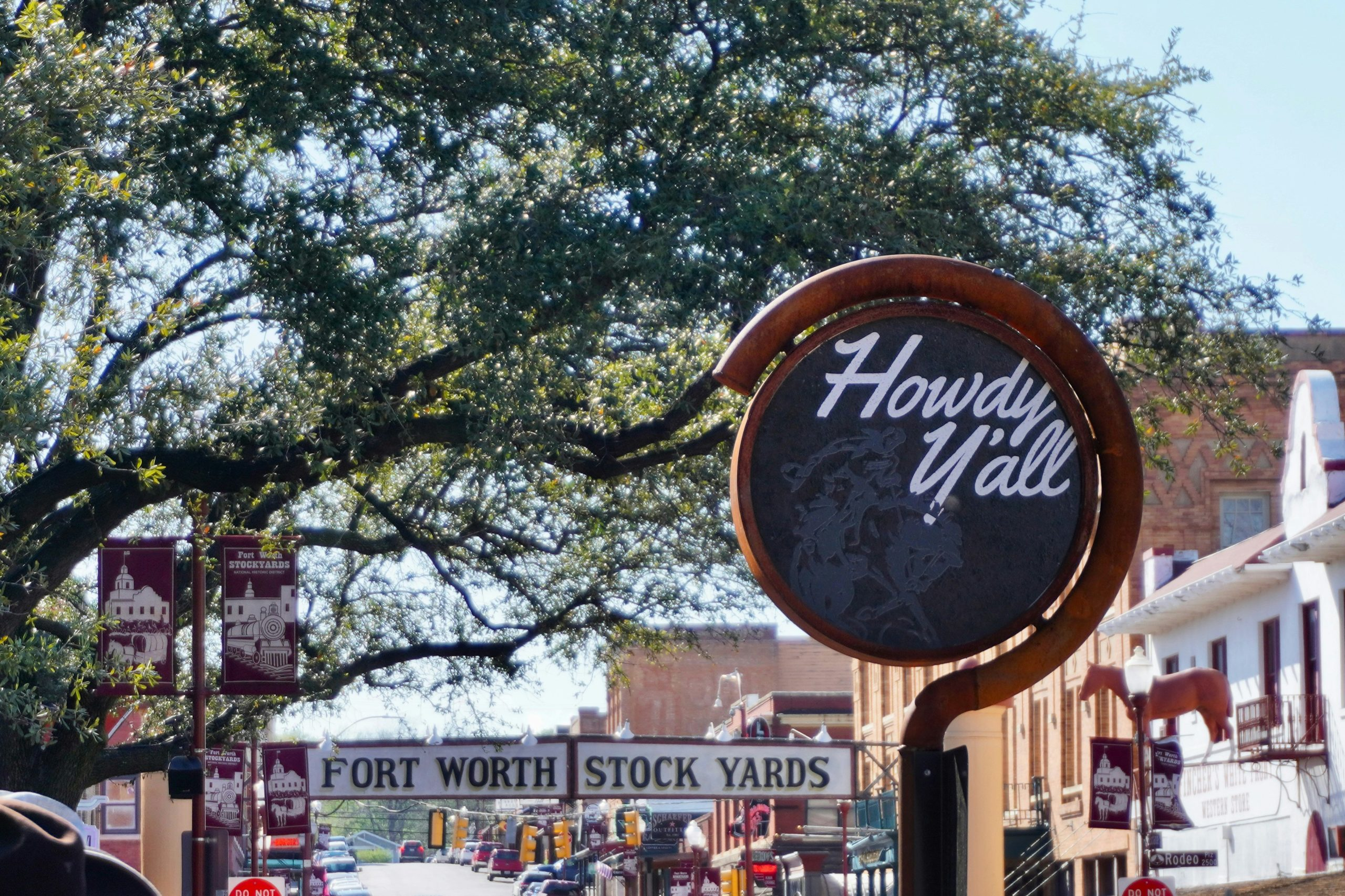
Fort Worth has always played the long game. Anchored roughly 3 miles north of downtown’s gleaming towers. Fort Worth Stockyards National Historic District stretches across almost 98 acres of streets once ruled by livestock brokers, railroads, and cowboys. Today, it is a curated collision of heritage and hospitality where authentic Texas style pulls north Texans and out of towners into a rhythm that is part laid back lifestyle, part economic engine.
Reaching the Stockyards is straightforward by car or ride share, with numerous paid parking lots and street parking slots easing arrival for visitors who often come from Dallas Fort Worth or beyond for the iconic twice daily cattle drive, bull riding at Cowtown Coliseum, and boot filled bars and restaurants that pepper Exchange Avenue. Wide boulevards and open plazas mean guest flow feels generous. There is room to step aside for a longhorn lineup or stroll into a whiskey saloon without bumping elbows.
Economically, the Stockyards are far more than a tourist postcard. They are a significant contributor to Fort Worth’s larger visitor economy. Itself responsible for millions in local revenue and tens of thousands of jobs annually. Here, culture is not just something to photograph. It is commerce woven into restaurants, retail, lodging and events that ripple out to nearby districts, hotels, and service providers.
Historic Grit Meets Modern Foot Traffic
The Stockyards began as a working livestock market in the late 19th century. Railroads made this ground critical to cattle trade, later giving way to packing houses and auction floors that once moved millions of animals annually. While livestock sales dwindled post World War II, city and preservation advocates reframed the area into a living historic district, restoring landmarks like the Livestock Exchange Building and Cowtown Coliseum and retaining the Western spirit that defines Cowtown.
Today’s visitor experience balances that legacy with curated attractions. Live country music and line dancing, artisan Western shops, the Texas Trail of Fame, twice daily cattle drives and museums that place context around the spectacle.
The pace here feels intentional. Not rushed, but rich. Early risers catch the first cattle drive, midday visitors browse tack shops, and evenings evolve into a neon lit mix of barbecue smoke and honky tonk rhythms at spots like Billy Bob’s Texas and Hell’s Half Acre.
Logistics You Should Know
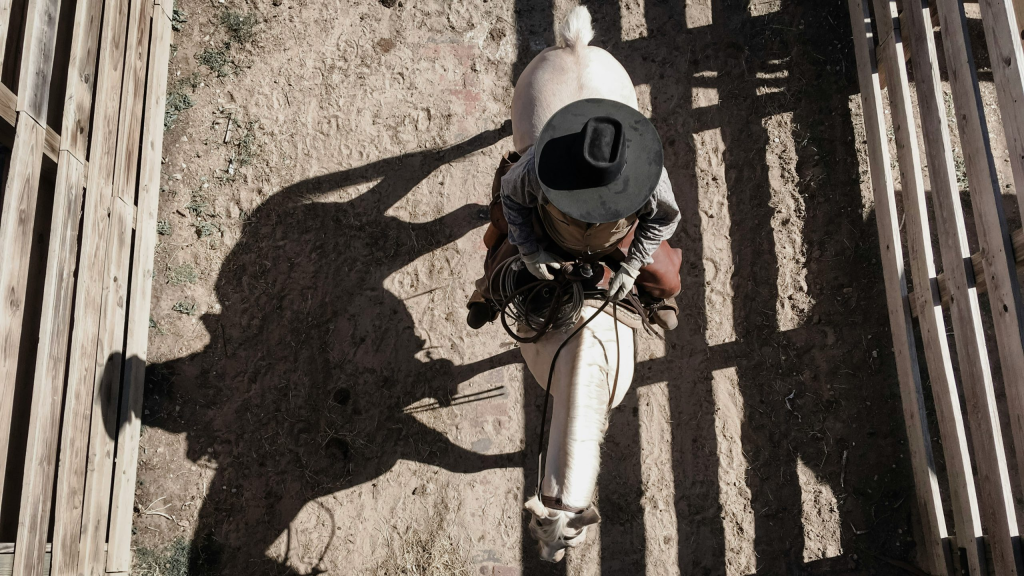
Parking is not a mystery. Paid lots and designated spaces surround the district. Many visitors arrive 30 minutes before key attractions like the livestock march to ensure a good viewing spot. While the area is open 24 hours a day, most shops and eateries operate on set schedules. Shops typically run from 10 a.m. to about 7 p.m., and bars into the late evening.
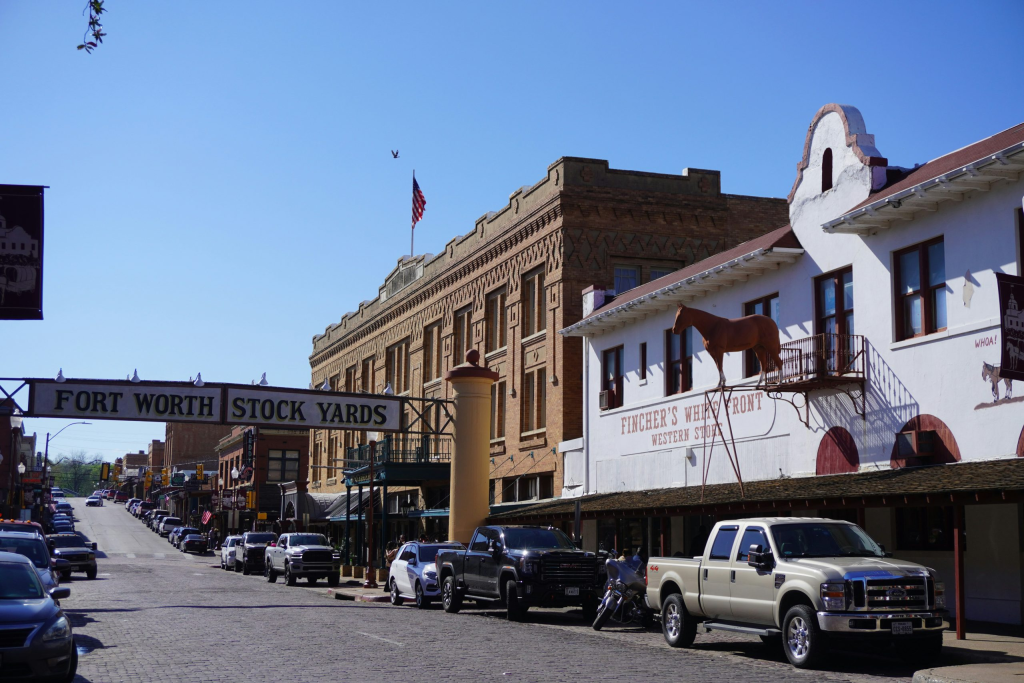
Wide, open brick streets make walking easy compared with more congested urban cores. The flow accommodates families, groups and solo travelers alike, absorbing the natural ebb of cattle call crowds and music driven foot traffic.
A Local Critique Reframed: Safety and Street Traffic
Some locals note that as crowds grow, so does the challenge of reconciling the Stockyards’ cowboy culture with contemporary safety expectations. City traffic ordinances now regulate horseback riders on roadways, which has drawn frustration from equestrian enthusiasts who see those regulations as undermining the cowboy ethos that fuels the district’s appeal.
While the tension is real, this reframes as a conversation about safety accountability. Balancing historic identity with pedestrian and vehicle traffic in a destination that routinely packs its streets with visitors.
This measure, aimed at ensuring visitor safety amid high foot volumes, reinforces that the Stockyards are not static museum pieces. They are active urban spaces requiring calibrated oversight to keep decades old charm walking hand in hand with modern expectations.
The Spillover Effect: Beyond Exchange Avenue
The Stockyards do not just collect dollars under their own signposts. They radiate economic activity throughout Fort Worth. Visitors often extend stays into nearby neighborhoods, driving demand for hotels, late night dining, cultural tours, and even short trips to West 7th and near downtown.
With tens of millions of annual visitors contributing billions in economic impact for the larger region, the Stockyards serve as a gateway to what makes Fort Worth distinctive in the larger Dallas Fort Worth metroplex.
Retailers specializing in Western wear or cowboy boots see traffic that would make suburban boutiques envious. Restaurants from steak houses to barbecue joints pull tourism dollars while keeping locals in rotation. Even tour operators offering guided walks or historic outings generate revenue that cycles back into city hospitality and city services.
Living History That Spends and Sustains
One of the Stockyards’ strongest features is its capacity to feel lived in rather than curated. You are not just observing cowboys on a screen. You are watching drovers lead longhorns down paved avenues. You are stepping into historic brick buildings that have traded livestock docks for cocktail menus. You are in spaces where authentic heritage and forward leaning tourism operate side by side.
That is a rare balance. Operational enough to drive economic performance yet rich enough in story to sustain cultural value over decades.
The Stockyards are not a one time visit. They are an ongoing narrative. Part Texas past, part contemporary lifestyle hub, and a reminder that the best destinations are both hospitable and historically grounded.
Conclusion and CTA
If you are plotting your Fort Worth itinerary, plan your Stockyards stop with intention. Arrive early for cattle drives, pace yourself through historic tours, and let Exchange Avenue guide you into the city’s broader hospitality ecosystem. Spend a day here, and you will understand why Fort Worth’s western legacy still pulls crowds, commerce, and cultural curiosity into its brick lined streets.
Subscribe for access to exclusive editorial content

