


The overlooked season
Fort Worth sells itself loudly in summer. Heat, festivals, weddings, packed parking lots, full calendars. The Botanic Garden is no exception. That is when the buses roll in, when events stack on top of each other, when foot traffic does its highest numbers.
Winter is the opposite. And strategically, it is the smarter visit.
The Fort Worth Botanic Garden operates year‑round as a public garden, event venue, education site, and research collection. In peak season, those functions compete with each other. In winter, they align.
Crowds thin. Lines disappear. Sightlines open up. The design of the place becomes legible again. You notice the way the gardens were actually planned instead of moving through them as background scenery for a hundred other people’s weekends.
This is the version of the garden that locals forget exists.
Operator and location
The Fort Worth Botanic Garden is operated by the Fort Worth Botanic Garden organization and sits just west of downtown Fort Worth, bordering the Cultural District.
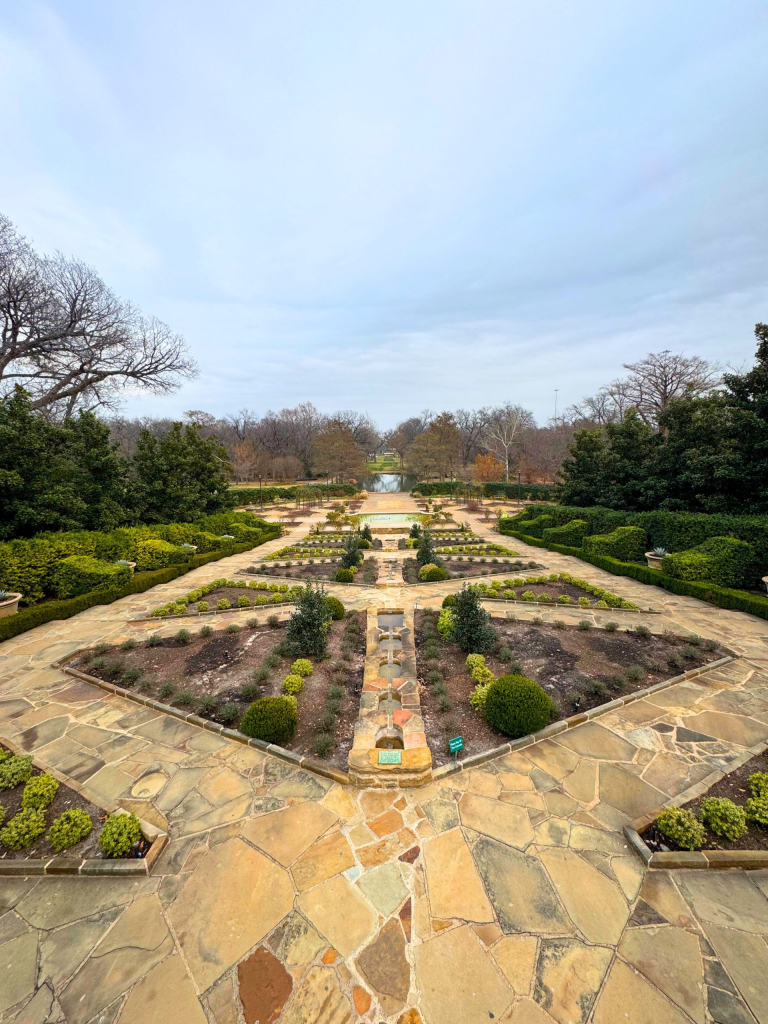
It is not a single garden. It is a campus of themed environments stitched together by walkways, water features, and long sight corridors. The scale is intentional. So is the variety.
The property functions simultaneously as:
• Public garden and tourist destination
• Venue for private events and weddings
• Plant research and conservation site
• An education center for students and members
Those roles dictate how the space is maintained and how it earns revenue, which becomes obvious once you look at how admission and programming are structured.
Pricing
The garden uses a tiered access system designed to serve families, tourists, and repeat local visitors.
General Garden Admission:
• Infants (0–2): Free
• Children (3–15): $6 online, $8–$9 in person
• Adults: $12 online, $14–$15 in person
• Seniors: $10 online, $12–$13 in person
Frequent visitors are pushed toward annual memberships, which begin at $60 per year and scale upward depending on household size and benefits.
From a business standpoint, the structure does two things well:
- Keeps the entry price low enough to remain a casual decision for families.
- Converts regulars into predictable revenue through memberships.
Winter strengthens both sides of that model. Casual visitors get a better experience. Members get more usable space.
Revenue drivers beyond tickets
Admission is only one slice of the operation.
The garden’s real financial stability comes from layered programming and space utilization.
Event programming
Recurring and seasonal events include:
• Dog Days
• Members‑Only Quiet Hour Walks
• Outdoor yoga sessions
• Butterflies in the Garden tours
• Educational workshops
• Seasonal festivals
These programs accomplish three things at once:
• Justify memberships
• Attract repeat local traffic
• Monetize the same physical space multiple times
Winter tends to emphasize smaller, experience‑driven events rather than large festivals, which suits the layout better. Less compression. More movement.
Specialized garden zones
The property is segmented into distinct attractions, each with its own maintenance team and audience:
• Butterfly Conservatory
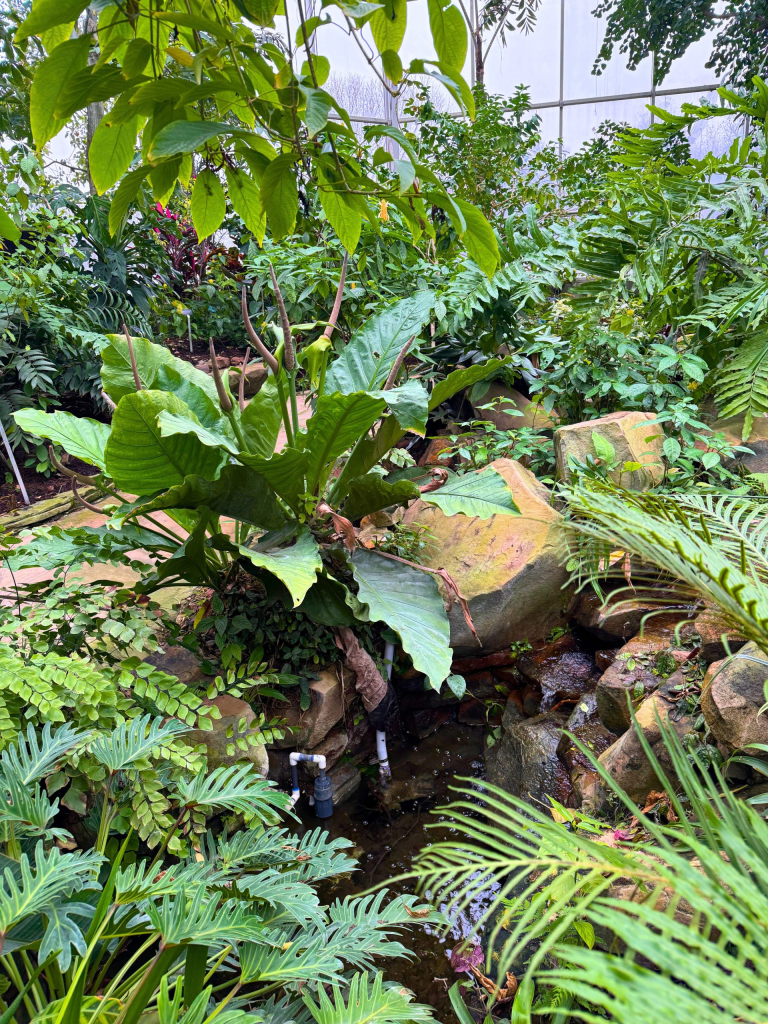
• Rainforest Conservatory
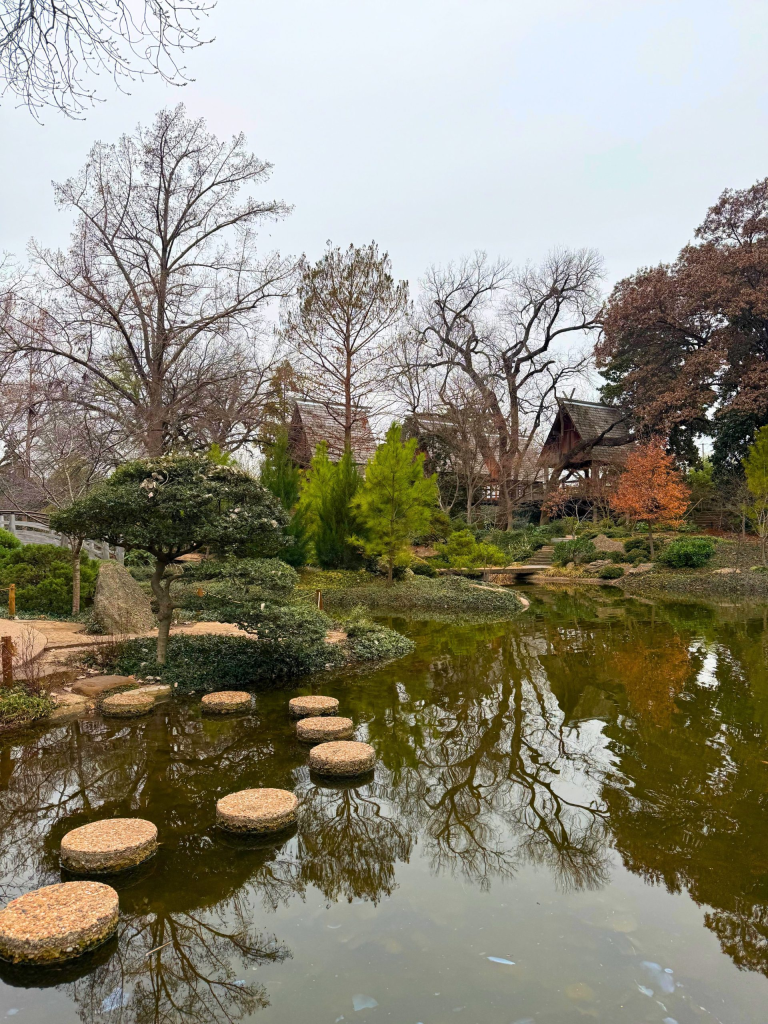
• Japanese Garden
• Rose Garden
• Adelaide Polk Fuller Garden
• Horseshoe Garden
• Orchid Collection
In summer, these areas feel like stops on a checklist. In winter, they feel like environments.
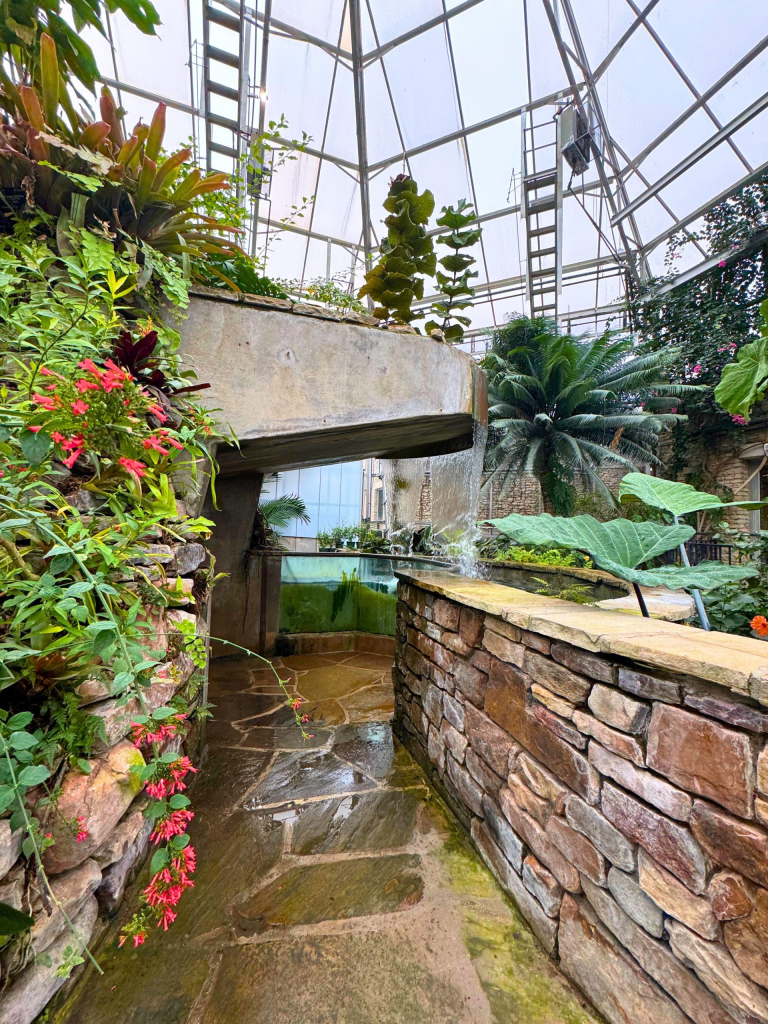
You notice the temperature shift inside the conservatories. The sound design of the water features in the Japanese Garden. The spacing between plant groupings. The signage becomes readable again.
This is when the garden behaves like what it advertises itself to be.
Private use
The Botanic Garden is also a venue business.
It hosts:
• Weddings
• Corporate events
• Private receptions
• Educational functions
• Member‑only gatherings
From an operational standpoint, winter is efficient.
Outdoor ceremonies are easier to schedule. Vendors are more available. Parking logistics improve. Staff can manage multiple bookings without competing with peak public crowds.
For couples and planners, this matters. For the garden, it means steadier revenue in what would otherwise be a slower tourism season.
Peak periods versus winter reality
Summer is the official high season.
That is when:
• Tourist traffic spikes
• Large events dominate the calendar
• School programs increase
• Families visit in clusters
It is profitable. It is also chaotic.
Winter shifts the economics from volume to quality of experience.
Foot traffic drops. Dwell time increases. Visitor satisfaction quietly improves.
From a city‑planning perspective, this is when public spaces prove their value. Not as attractions, but as infrastructure for daily life.
People walk slower. Parents let kids explore instead of herding them forward. Members linger instead of rushing to beat closing time.
The garden becomes usable, not just impressive.
What actually differentiates this place
The Fort Worth Botanic Garden brands itself as more than scenery:
An iconic living museum.
A family destination.
An educational institution.
A research center.
That is not marketing fluff.
The collection includes thousands of plant species from around the world, each documented, labeled, and monitored as part of an active botanical record.
This is where winter quietly helps again.
Without heavy crowds, the informational layer of the garden becomes visible:
• Plant labels are readable
• Species groupings make sense
• Educational signage stops blending into the background
• Staff interactions feel unhurried
You start to notice how deliberately the gardens are structured to teach as much as they decorate.
It is not accidental beauty. It is cataloged beauty.
The Japanese Garden in cold light
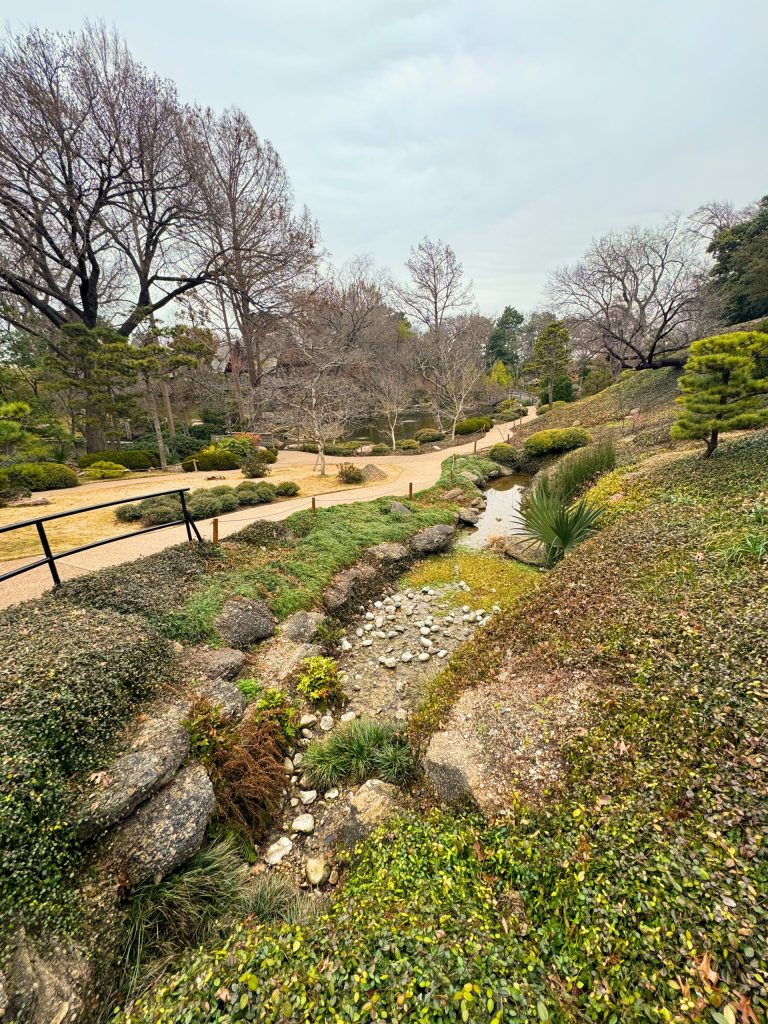
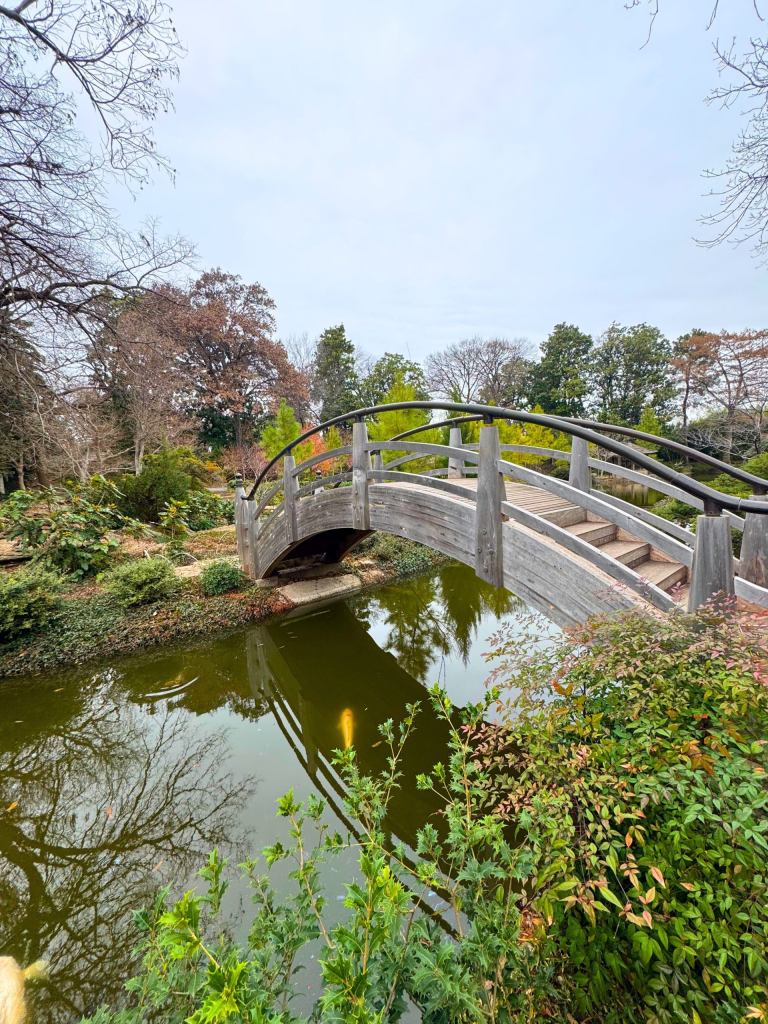
If one area benefits most from winter, it is the Japanese Garden.
The design depends on negative space, water sound, stone placement, and controlled sightlines. Summer crowds flatten those details.
In winter:
• The bridges become visual anchors instead of photo bottlenecks
• The ponds reflect clean sky instead of people
• The walking paths regain rhythm
You understand why this section is often booked for private ceremonies. It performs best when it is not competing for attention.
Conservatories as seasonal anchors
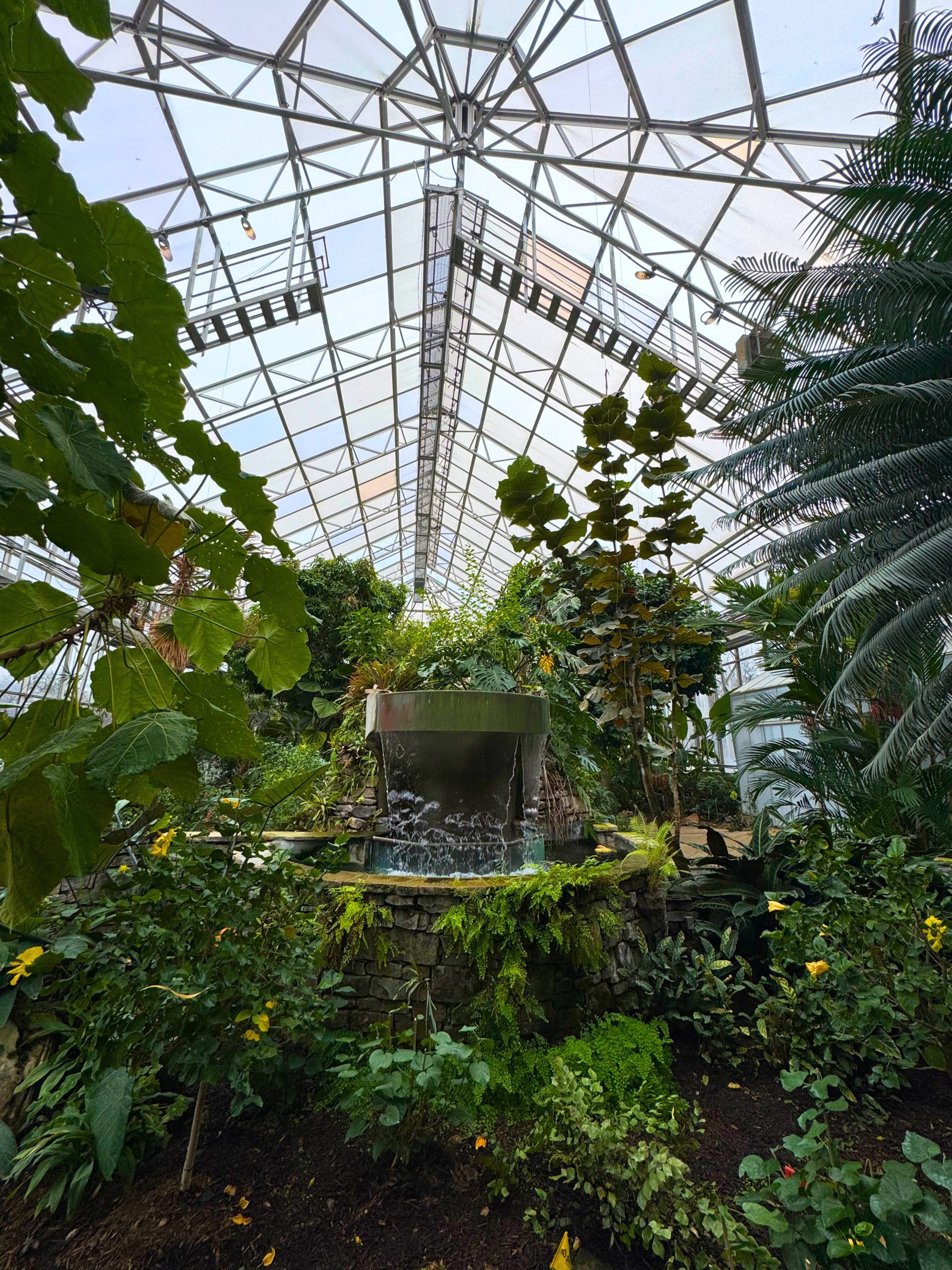
The Butterfly and Rainforest Conservatories quietly carry the cold months.
They function as climate counterpoints. You move from open winter air into controlled tropical humidity within minutes.
For families, this becomes the highlight. For the garden, it is strategic retention.
Visitors stay longer. They explore more zones. They justify the admission price emotionally instead of mathematically.
That matters more than most people realize.
Membership math
A $60 starting membership is not accidental pricing.
It sits below the psychological barrier for annual spending while outperforming repeat single‑visit admissions within three or four trips.
Winter encourages that conversion:
• Parking is easier
• Paths are quieter
• Visits feel personal
• Events feel exclusive
The garden does not advertise this directly, but the experience nudges people toward it.
That is competent design, not coincidence.
Why winter visits work better operationally
From a systems perspective, winter improves almost every variable:
• Lower staffing strain
• Predictable event scheduling
• Reduced maintenance stress on grounds
• Better guest flow
• Higher perceived value per visitor
The garden still earns from admissions, events, and memberships. Visitors receive more of the product they are paying for.
It is one of the few cases where both sides win simply by choosing a different month.
The local advantage
Tourists tend to arrive when the city tells them to.
Locals do not have to.
Winter turns the Botanic Garden into something closer to a neighborhood asset than a destination attraction. A place to walk, reset, bring visiting relatives, or spend a slow afternoon without committing to an entire itinerary.
No wristbands. No staging. No urgency.
Just a functioning landscape built to be used, not consumed.
Bottom line
The Fort Worth Botanic Garden is financially structured to thrive in summer.
But experientially, it belongs to winter.
Lower crowds expose the design. Quieter days reveal the research mission. Events feel intentional instead of stacked. Membership finally makes sense. The gardens read as a system, not a spectacle.
If summer is when the garden performs for the city, winter is when it shows its actual work.
And that version is better.
Subscribe for access to exclusive editorial content

